CLICK HERE TO WATCH VIDEO - Blueprint TO KEEP THE LIGHTS ON DURING POWER OUTAGES

CLICK HERE TO WATCH VIDEO - Blueprint TO KEEP THE LIGHTS ON DURING POWER OUTAGES
Emergency preparedness does not have to mean buying expensive gear or storing months of supplies. For most households, it starts with a few simple decisions: how you will communicate, what you will need if utilities are disrupted, and where important information is stored.
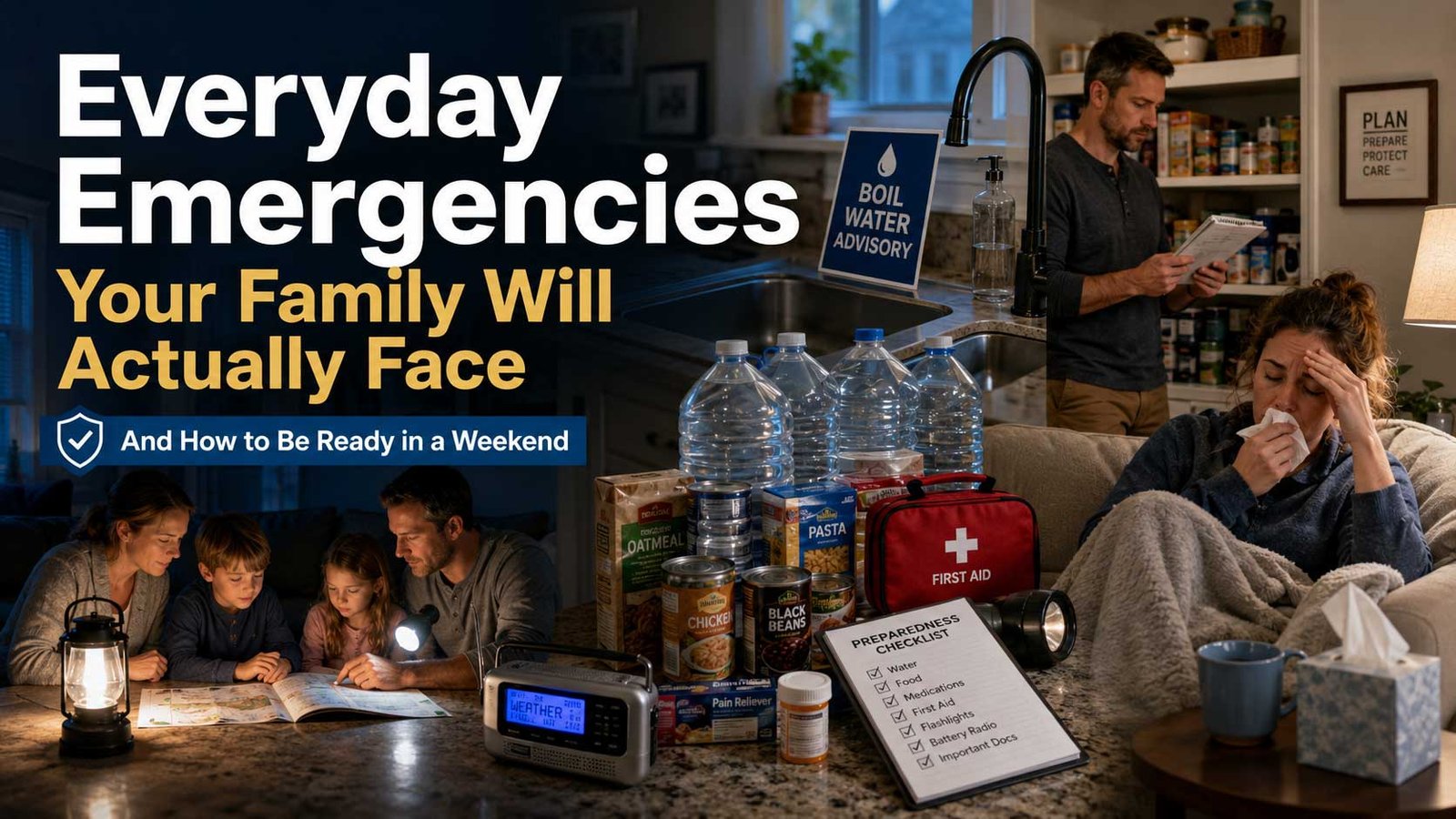
A practical plan can help your household handle power outages, severe weather, evacuation orders, short-term illness and other disruptions with less confusion.
1. Know Your Local Risks
Start with the emergencies most likely to affect your area.
Depending on where you live, that may include severe storms, flooding, wildfire, extreme heat, winter weather, earthquakes or extended power outages.
Check your local emergency-management agency for information about alerts, evacuation zones, shelters and local hazards.
During an active emergency, always follow current instructions from local authorities and emergency services.
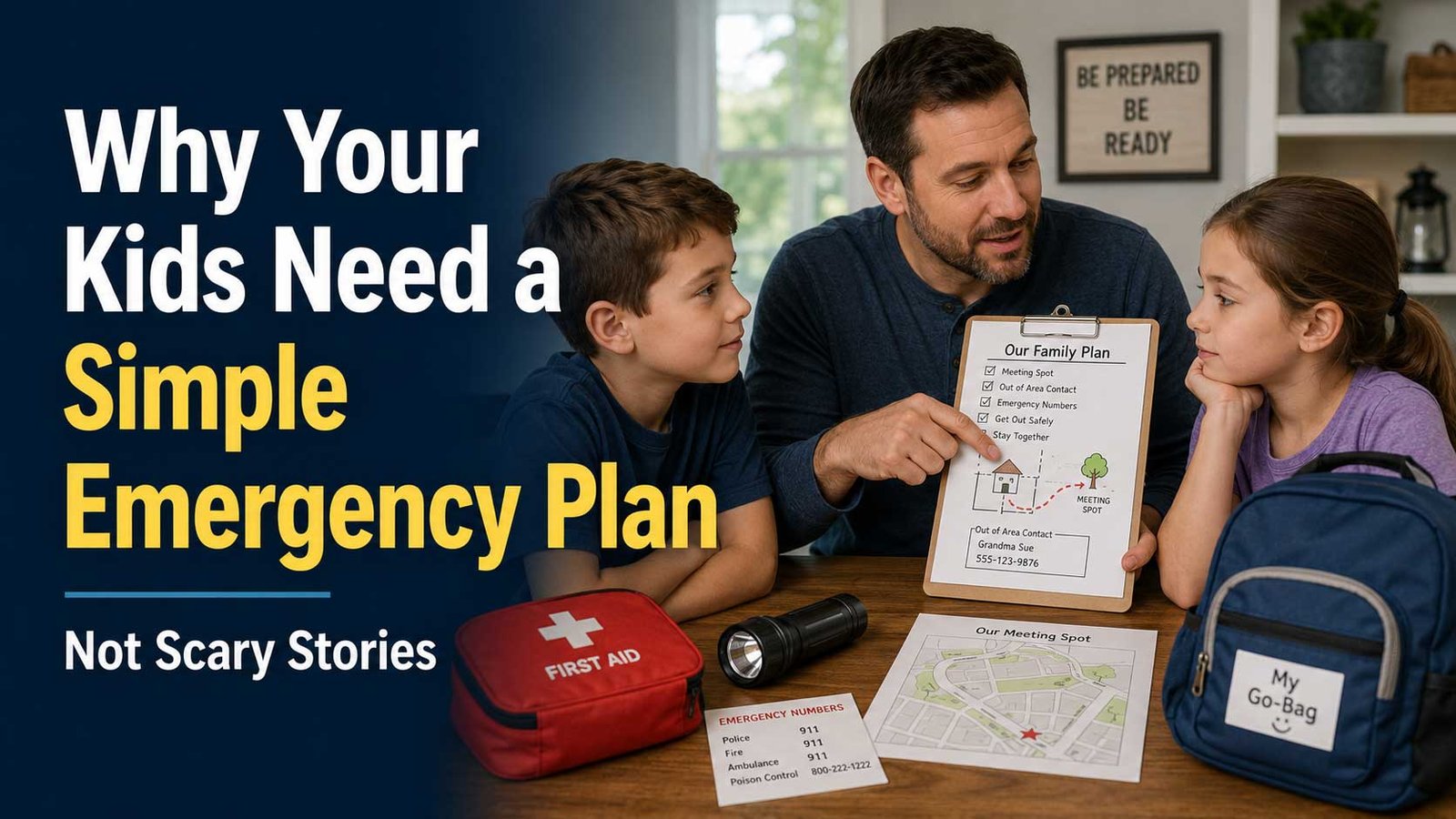
2. Make a Household Communication Plan
Decide how household members will reconnect if you are separated.
Choose:
Make sure everyone who is able knows the basic plan.
3. Gather Basic Emergency Supplies
You do not need to buy everything at once. Start with items you already use and add supplies gradually.
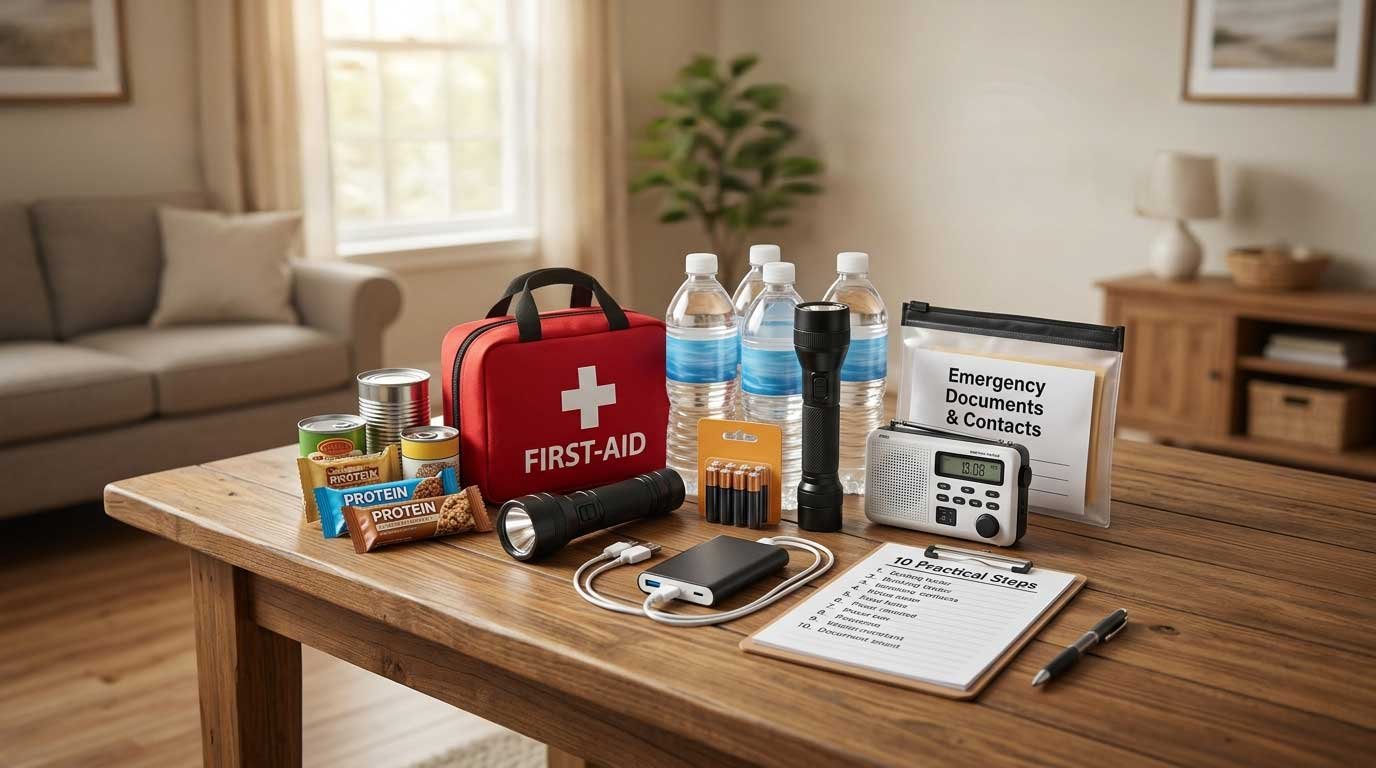
Useful basics include:
Prioritize supplies that are useful in everyday life as well as during emergencies.
4. Plan for Water and Food
Keep some drinking water and familiar shelf-stable foods on hand.
Choose foods your household will actually eat and that require little cooking, refrigeration or water.
Good options may include canned foods, nut or seed butters, crackers, cereal, shelf-stable milk and ready-to-eat meals.
Rotate these foods into regular meals so they do not sit unused for years.
5. Organize Medications and Health Information
Keep an updated list of:
If someone relies on prescription medicine, refrigerated medication or powered medical equipment, discuss emergency backup options with the appropriate healthcare provider, pharmacist or equipment supplier.
6. Protect Important Documents
Keep copies of essential information in a secure place that is easy to access during an emergency.
Consider including:
A portable water-resistant folder can protect paper copies. Secure digital backups can provide an additional option if you cannot return home.
7. Prepare for a Short-Term Financial Disruption
Emergency readiness also includes everyday financial resilience.
A modest emergency fund can help with unexpected transportation, food, medication, lodging or household expenses.
Start with an amount that fits your budget. Even small, regular contributions can improve your ability to handle an unexpected expense.
It can also help to keep important bank, insurance and utility contact information somewhere other than your phone.
8. Include Children, Pets and Accessibility Needs
Generic emergency lists do not work for every household.
Consider whether anyone needs:
Build your plan around the people and animals who actually depend on it.
9. Prepare for Both Evacuation and Staying Home
Some emergencies require leaving quickly. Others require remaining home for a period of time.
For evacuation, keep essential items portable and know where you could go.
For staying home, think about what you would need if power, water, transportation or deliveries were temporarily unavailable.
Do not use grills, generators or other fuel-burning devices inside a home, garage or enclosed space.
10. Review Your Plan Regularly
Preparedness is easier when it becomes a routine household task instead of a one-time project.
Every six months, review:
Replace expired or damaged supplies and update your plan after major changes such as moving, changing schools, starting a new medication or welcoming a new household member.
Start With Three Actions This Week
If the full list feels like too much, begin here:
Preparedness does not need to be perfect to be useful. A simple plan that your household understands, combined with a gradually improved supply of essentials, can make everyday disruptions easier to manage.
Next step: Spend 20 minutes this week reviewing these three actions with your household, then add one preparedness task each month.

About The Author
Hi, I'm Victor. I created Prepared with Victor because preparedness shouldn't feel intimidating. Most people aren't trying to survive the collapse of civilization. They want to know their family will have water if the supply is interrupted, food if stores can't open, light when the power goes out, and a plan when severe weather is heading their way. That's the kind of preparedness you'll find here. I'll research the options, explain what I've learned in plain English, and help you decide what makes sense for your household and budget. You don't have to become a "prepper." You just have to become prepared.
Use this subtitle to highlight the main benefit you offer to your prospects.


Normal Price $149 - For a Limited Time Only $39
Generate enough energy to power your entire home and minimize your electric bills by more than 80% in 30 days
*DISCLAIMER: If you purchase through this link I may be paid a commission, at no cost to you.

RESOURCES
Product Reviews
Recommended Gear
Checklists
Latest Blog Posts
PREPARE
Start Here
Severe Weather
Power Outages
Food & Water
Financial Preparedness
Health & Sanitation
INFO
© 2026 Prepare with Victor | All Rights Reserved